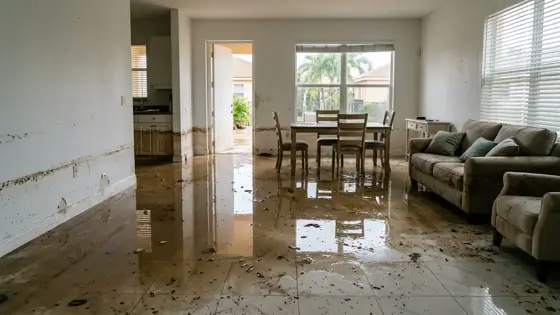
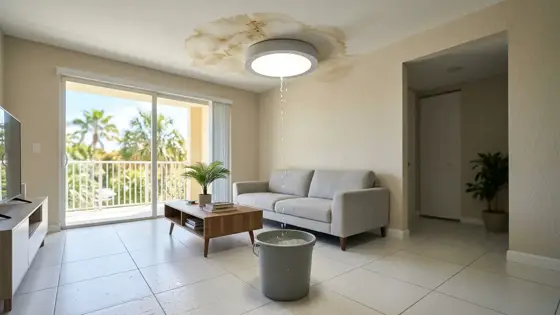
Water in your home right now? Do this first
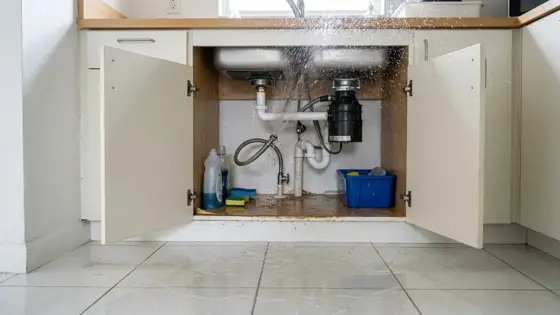
- Make it safe. If water is near outlets, cords or the electrical panel, don't walk through it. Turn off breakers to wet rooms only from a dry spot. If you smell gas, leave and call 911.
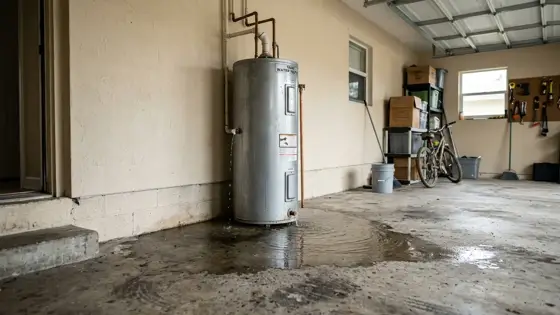
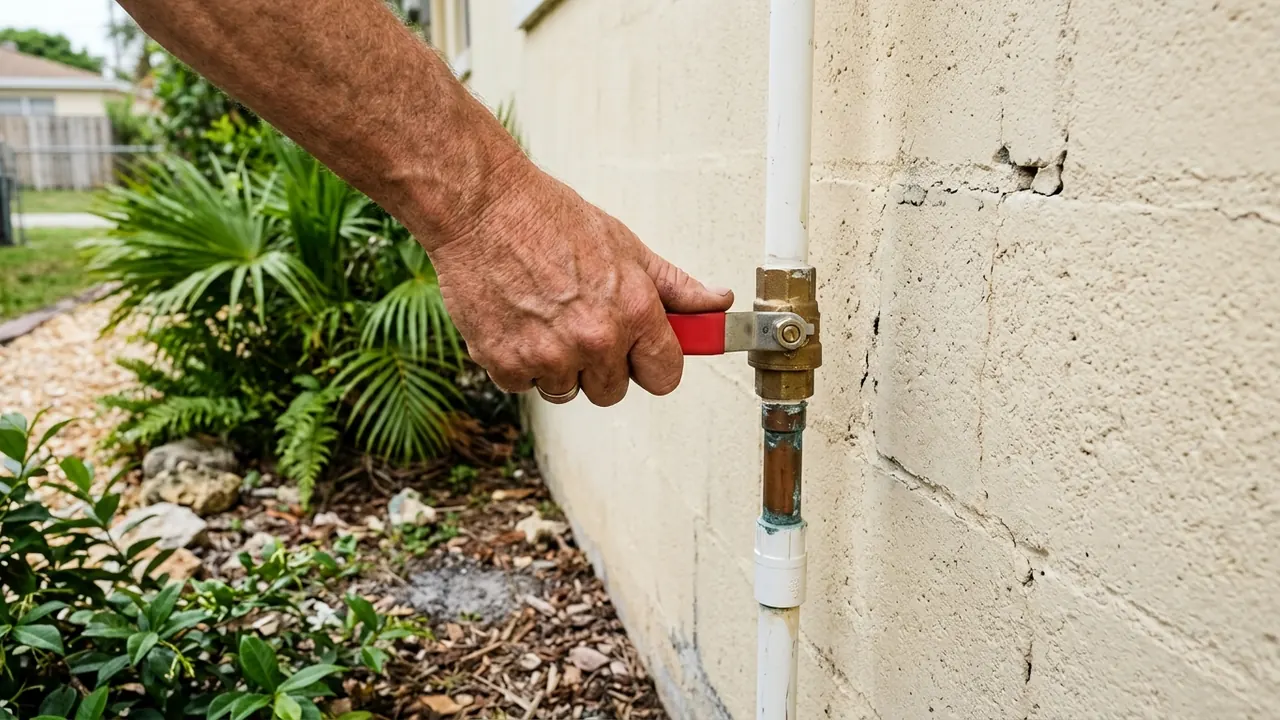
- Stop the water. Close the fixture valve or the main shut-off. In many Tamiami houses the main is where the line enters from the meter near the street; in condos, check closets or ask building management.
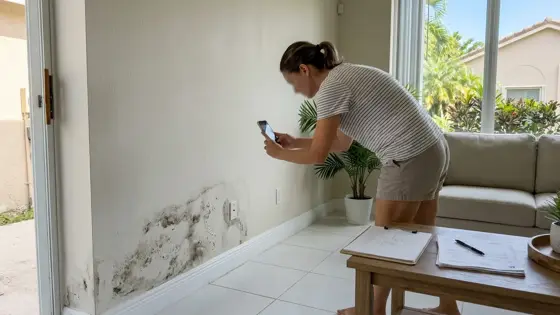
- Take photos and video of every wet room and the source before anything is moved.
- Protect belongings. Move electronics, papers and rugs; put foil under furniture legs.
- Call for extraction and drying: (786) 732-2700. Ask about same-day service.
How water damage restoration works
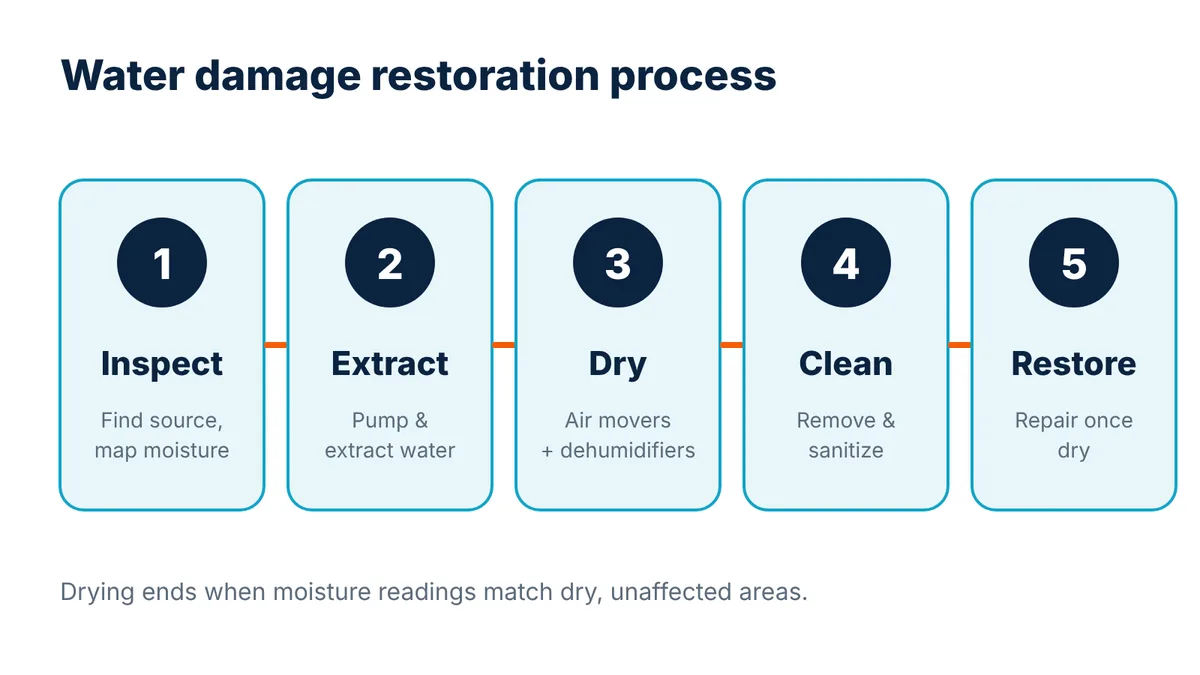
- Inspection and moisture mapping. Find the source, decide the water category, and map every wet wall, floor and ceiling with meters and thermal imaging.
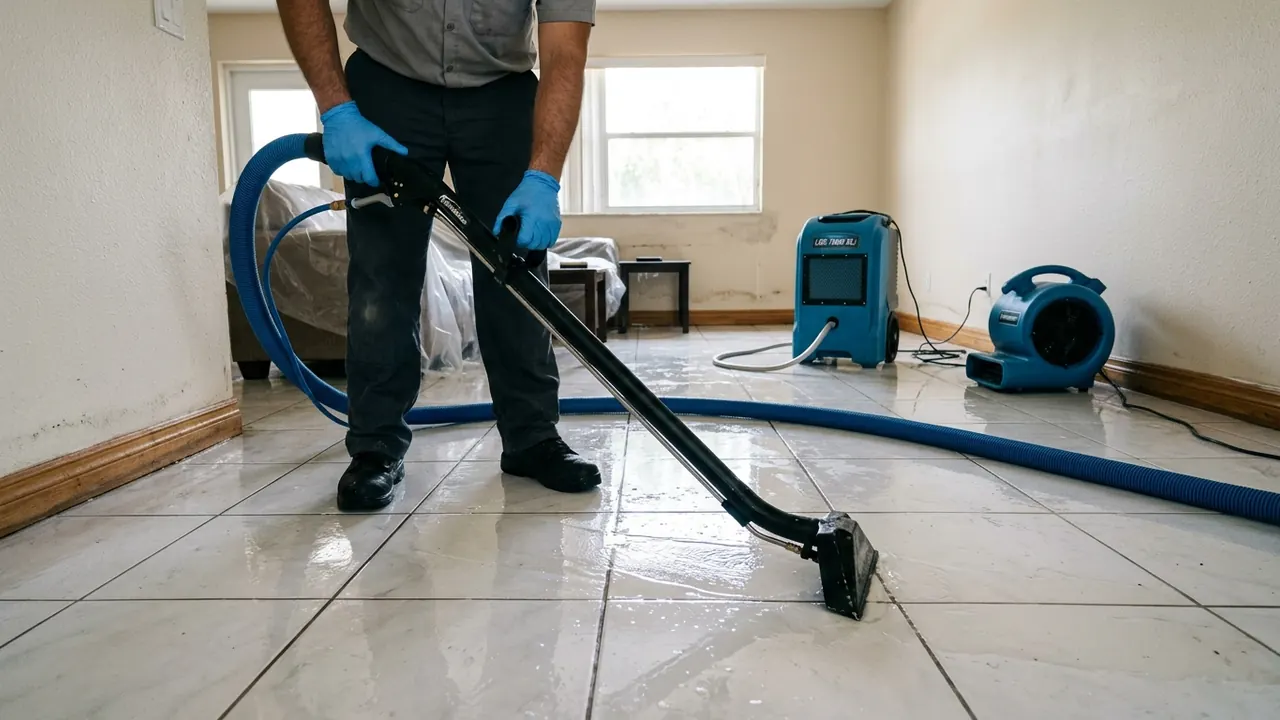
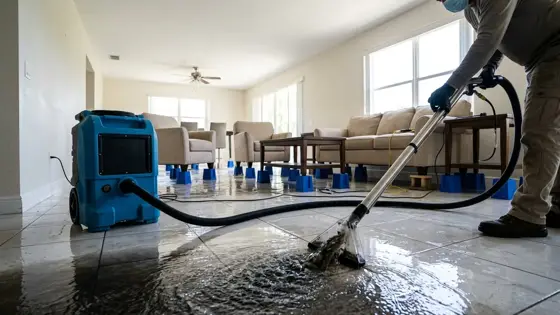
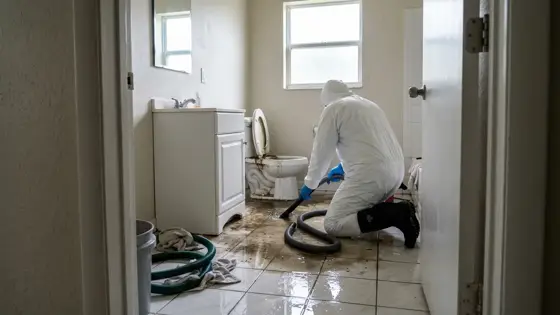
- Water extraction. Pumps and extractors remove standing water from tile, terrazzo, carpet and pad. See emergency water extraction.
- Removal and cleaning. Contaminated or unsalvageable materials such as carpet pad, swollen baseboards or drywall below a flood line are removed, and surfaces are cleaned.
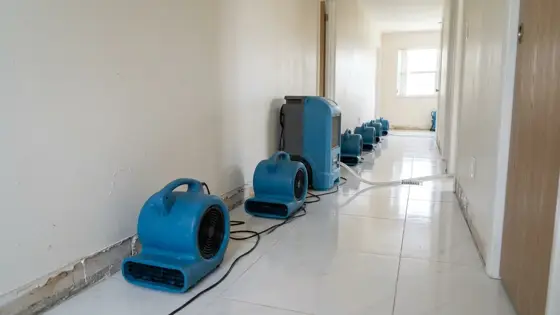
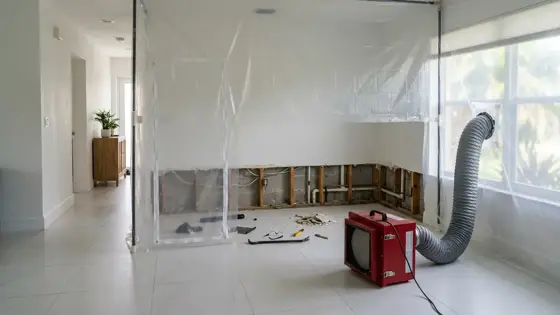
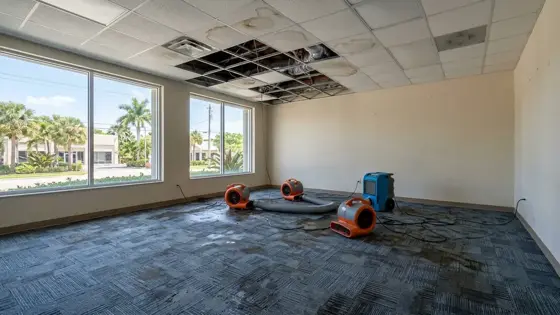
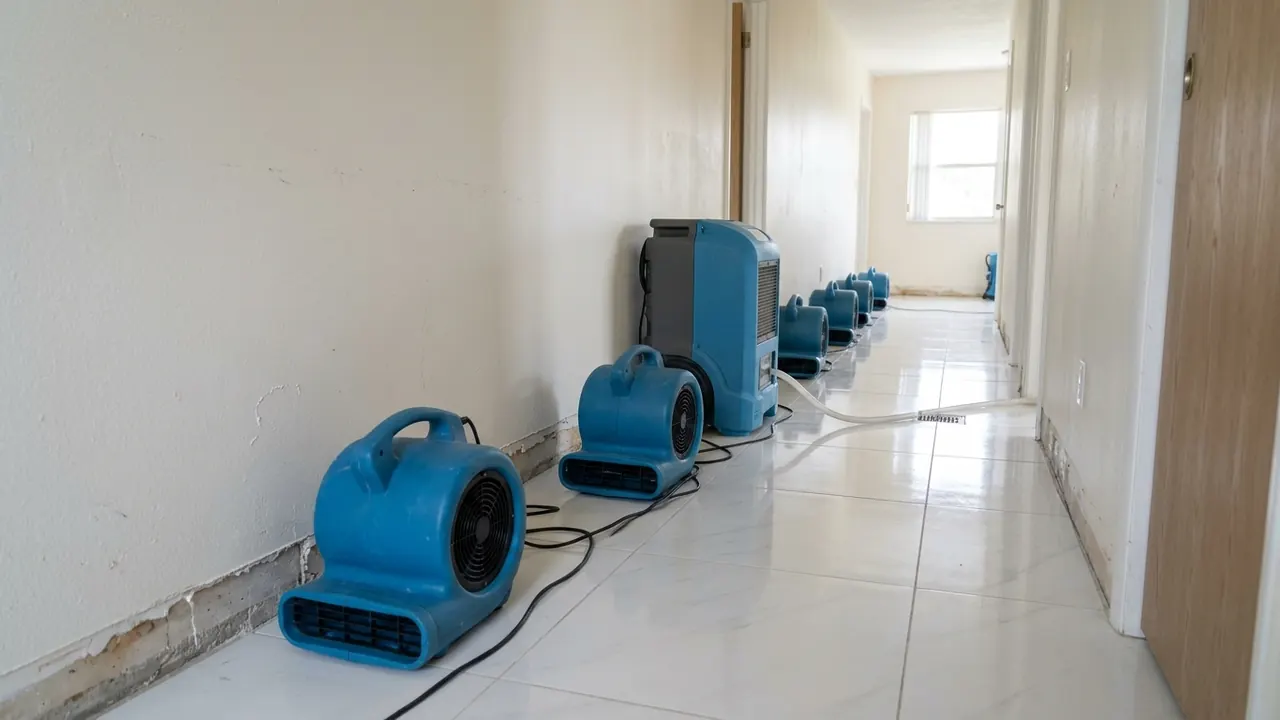
- Structural drying. Air movers and dehumidifiers run until readings match dry areas. See structural drying.
- Restoration. Drywall, paint, baseboards and flooring are replaced once the home is confirmed dry.
Clean, gray or black water: why it matters
The restoration industry follows the IICRC S500 standard, which sorts water into three categories. The category decides what can be dried and kept and what has to be removed.
| Category | Common sources in Tamiami | What it means |
|---|---|---|
| Category 1 · clean | Burst supply line, water heater, ice maker, AC condensate | Most materials can be dried in place if work starts fast |
| Category 2 · gray | Washing machine or dishwasher drain water, some toilet overflows | Cleaning and antimicrobial treatment; pad usually replaced |
| Category 3 · black | Sewage backup, toilet backflow, outside floodwater | Porous materials removed; full sanitizing. See sewage cleanup |
Clean water doesn't stay clean for long: the S500 notes that Category 1 water can turn into Category 2 within about 24 to 48 hours. Read more in our guide to water damage categories and classes.
Water damage in Tamiami homes: what's different here
Tamiami is an unincorporated community in west Miami-Dade County, about 14 miles west of downtown Miami. It's centered on SW 8th Street, the Tamiami Trail, roughly between SW 107th and SW 137th Avenues, just west of FIU's Modesto Maidique Campus, with Sweetwater, Westchester and Kendall as neighbors. Most addresses use ZIP codes 33175 33182 33184, with "Miami" as the mailing city.
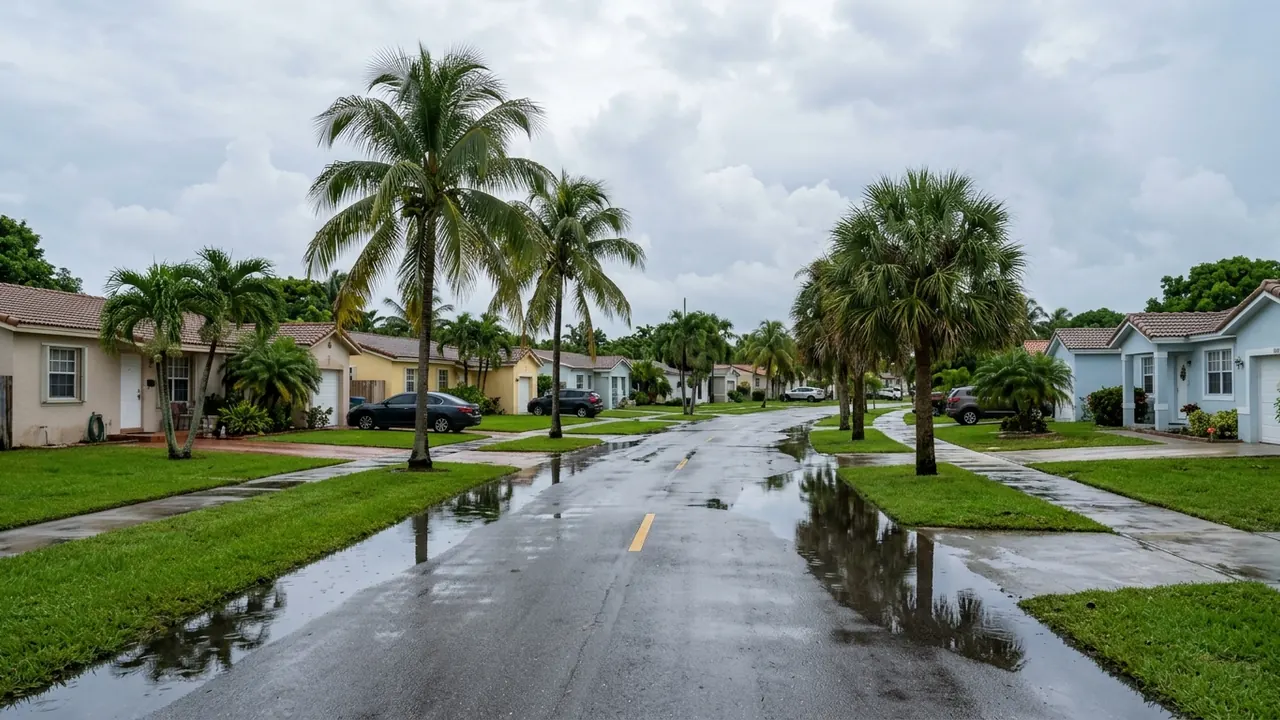
A few local realities shape how water damage happens and how it's dried here:
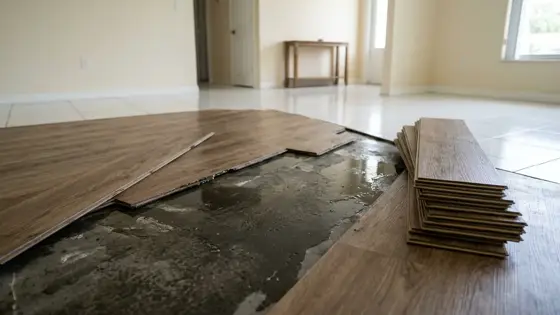
- Concrete block homes on slabs. Most houses and townhomes are concrete block on a concrete slab with tile or terrazzo floors. The structure handles water well, but drywall, baseboards and cabinets soak it up, and a wet slab can ruin new wood or plank flooring if it isn't dried.
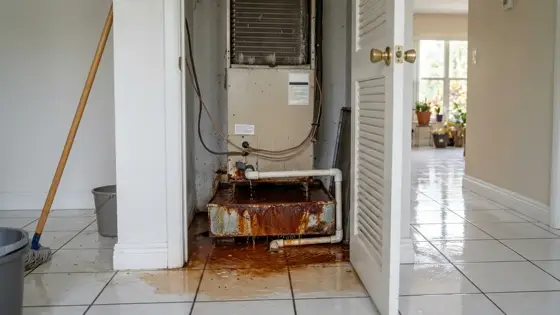
- Air conditioning year-round. AC condensate lines and drain pans are one of the most common leak sources. See AC leak water damage.
- Humidity. Opening windows usually brings more moisture in, so drying is done closed up with dehumidifiers.
- Flat, low ground. Tamiami's average elevation is only about 7 feet. Heavy rain can overwhelm swales and drains; in June 2024, neighboring Sweetwater recorded more than 7.5 inches of rain. See flood damage restoration.
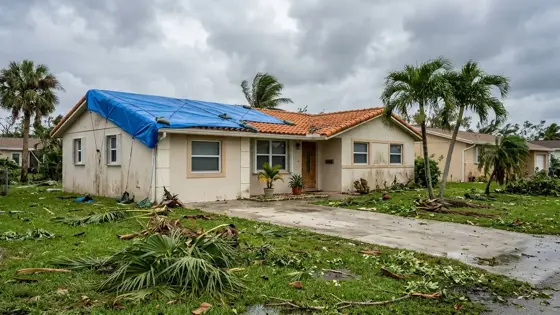
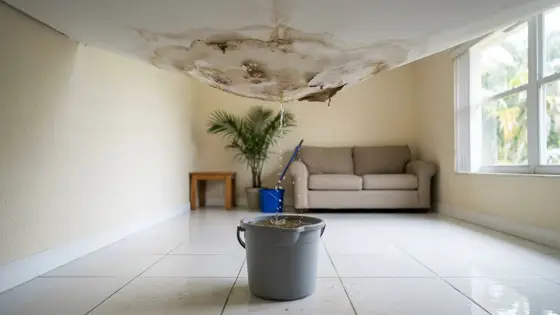
- Hurricane season from June 1 to November 30 brings wind-driven rain through roofs, windows and sliding doors. See storm and hurricane water damage.
- Condos and townhomes where one leak affects several units. See condo water damage.
Landmarks around the service area include Tamiami Park on SW 24th Street, the Miami-Dade County Fair & Expo Center, Belen Jesuit Preparatory School on SW 127th Avenue, and the shopping corridors along SW 8th Street and Coral Way.
What a thorough water damage job includes
| A thorough job | A shortcut job |
|---|---|
| Moisture readings in walls, floors and ceilings, recorded daily | "Looks dry to me" |
| Water category identified; contaminated materials removed | Everything dried in place regardless of source |
| Dehumidifiers sized to the space, running with the home closed | Fans only, windows open |
| Baseboards or toe-kicks removed so wall and cabinet cavities dry | Surface drying only |
| Photos, drying log and written scope for your insurer | No records |
| You stay in control of your insurance claim | Pressure to sign over your rights |
Insurance and your claim
Many homeowners policies cover sudden and accidental water damage, such as a burst pipe or an appliance hose failure, while rising floodwater needs a separate flood policy and slow long-term leaks are often excluded. Florida's 2022 reforms also changed the rules: for property policies issued on or after January 1, 2023, you can't assign your post-loss benefits to a contractor, and new claims generally must be reported within one year. Good records help every claim. See insurance documentation and our Florida claims guide.
Water damage service area map: Tamiami, FL
Serving Tamiami in west Miami-Dade, ZIP codes 33175 33182 33184. Mailing address: 14245 SW 128th St #308, Miami, FL 33186.
Open Tamiami, FL in Google Maps →
Preventing mold after water damage
The EPA recommends drying wet building materials within 24 to 48 hours to prevent mold. In Tamiami's climate that window is tight, which is why same-day extraction and continuous drying matter. If mold has already appeared, Florida requires a DBPR license for anyone doing mold remediation or assessment for pay. See mold remediation after water damage.